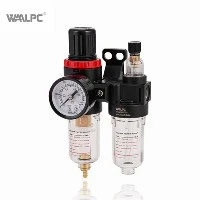
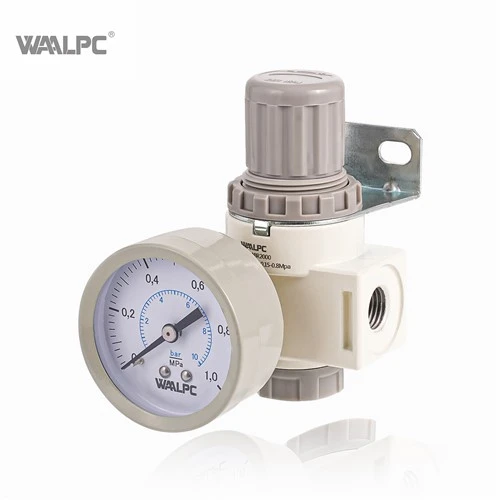
The
automatic air pressure regulator,
air pressure regulator valve,
High Pressure Pneumatic Regulator we provide has excellent performance and stable quality. While ensuring quality, we combine our years of professional research and development experience to make product design ideas more flexible and diverse, meeting your needs for different aesthetics and different places! In recent years, our company has achieved a number of scientific and technological achievements in the fields of relieving pressure regulator production process, resource recycling, and comprehensive environmental protection. As an advanced advocate in the industry, our company has established a complete quality assurance system internally and trained a large number of skilled production and service teams. We have a team with good marketing concepts, and strictly control the quality in production, supply, and sales, so that our products have a good reputation in the industry. We serve end users, contractors, businesses, retailers and wholesale distribution customers. Customer satisfaction is the key to the survival and sustainable development of an enterprise, and employee loyalty is the cornerstone of customer satisfaction and organizational stability. Manufacturing enterprises not only deliver products to customers, but also provide value-added services matching with products. Products and services are delivered on the network mixed supply chain to meet customers' needs in an all-round way. Our company has a focus on customer satisfaction and feedback. Our goal is to provide innovative solutions that improve the efficiency and effectiveness of our clients’ operations.
We adhere to explore the value of our
Pneumatic Prv Valve,
Pneumatic Air Lubricator, but also adhere to explore the brand value, to maximize the value of resource integration. Hangzhou Evershine Pneumatic Import & Export Co., Ltd. is one of the most professional relieving pressure regulator manufacturers and suppliers in China, featured by high quality pneumatic components. Please rest assured to wholesale bulk durable relieving pressure regulator from our factory. Welcome to contact us for custom service and OEM service.
 Language